Niagara is full of sights worth pointing out. As we drive through the area, your guide will highlight historic buildings, iconic viewpoints, natural features, and local landmarks that help tell the story of Niagara Falls. From famous hotels and engineering marvels to scenic lookouts and heritage sites, you’ll gain a fuller appreciation of everything that makes Niagara unique, long before you step out of the bus.
Follow the story of Laura Secord, whose 20-mile journey during the War of 1812 helped warn British forces and changed the course of a key battle in Niagara.
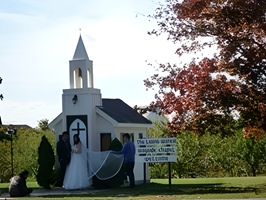
One of the world’s smallest churches, the Living Water Wayside Chapel along the Niagara Parkway offers a unique and peaceful stop between Niagara Falls and Niagara-on-the-Lake.
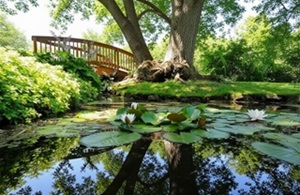
Explore the Niagara Parks Botanical Gardens, a 100-acre living classroom featuring world-class plant collections, a famous rose garden, and the Butterfly Conservatory.
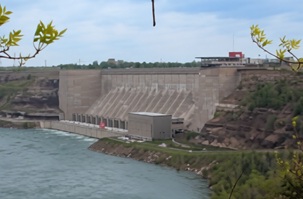
Learn how the Robert Moses Niagara Power Plant harnesses the energy of the Niagara River to generate electricity on a massive scale in Lewiston, New York.
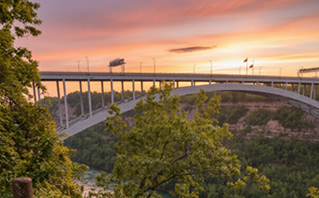
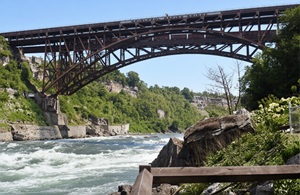
Explore the Whirlpool Rapids Bridge, a unique Niagara Falls tour stop with a fascinating history, including a kite crossing and a bridge built beneath another.
Down river from Niagara Falls is a unique log cabinlike hotel. One of the first things you notice about it is the red and yellow tubes jutting out from the sides. Those tubes are water slides. Yes, like in amusement parks.
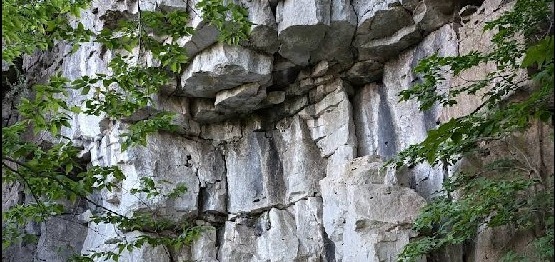
Learn about the Schoellkopf Power Station, one of Niagara’s earliest hydroelectric plants, and the dramatic 1956 collapse that reshaped the Niagara Gorge.
Niagara Falls’ Honeymoon Bridge was built in 1897. When completed, the bridge became the largest Steel Arch Bridge in the world. Its features included double tracks for trollies and room for carriages and pedestrians. Ice bridges that formed in the winter were a constant threat.
After the Honeymoon Bridge collapsed in 1938 due to the ice buildup on the Niagara River, a new bridge was needed to connect the cities of Niagara Falls, New York, United States, and Niagara Falls, Ontario, Canada. During their 1939 royal tour of Canada, King George VI and Queen Elizabeth dedicated the site of the Rainbow Bridge.
Born in New York State, Trisha first came to Canada in 1969 to attend Sheridan College in Oakville, Ontario. After she graduated, Trisha spent time in Europe where she became inspired by the magic of Europe. After a couple of years, she came back to Toronto and started a job selling other people’s paintings.
Queen Victoria Park was established by the Provincial Park Act in 1885 and opened to the public on May 24, 1888; the birthday of Queen Victoria. The park is operated by the Niagara Parks Commission and is considered the centerpiece of the Niagara Falls tourist area.
The history of Table Rock dates back to the mid 1700s.
As the Horseshoe Falls receded, a large shelf of rock was revealed. This became known as Table Rock.
This grand old power station was constructed in 1906 just upriver of Niagara Falls on the Canadian side. It was built right in the Niagara River bed for more efficient use of the powerful force of the flowing water.
Niagara Falls is not only rich in natural beauty and breathtaking scenery, it is also steeped in history and tales of great adventure. One such story is that of The Old Scow or Old Barge.
In the upper river, within view of Niagara Falls, is a large structure that looks like half a bridge. This is the international control dam. Since 1954, it regulates how much water goes over Niagara Falls and how much is diverted beforehand for hydro-electric power.
The area was originally known as “The Burning Springs”. By 1820, it was already a tourist attraction, but not because of Niagara Falls. There was a small natural gas emission coming from the ground. The owner of the land, M.J. Conklin, has placed a pipe with a cork stopper over the leak.
The oldest of the currently visible stations, this decommissioned power plant was built deep in the Niagara River Gorge. Constructed in 1904, it is located across from the American Falls on the Canadian side. The surge tank from the Ontario Power Station is a tower next to Queen Victoria Park.
Built in the early 1900s, the Canadian Niagara Powerhouse was the first station to produce hydroelectric power for transmission and sale outside of Niagara Falls, Canada. When the Powerhouse began operations in 1905, it’s eleven, 10,000 Horsepower generating units were the largest in-use.
Contact Us
Send us a note or give us a call if you have any questions about our tour, private/custom packages, and optional extras.