As we travel along the Niagara Parkway, we pass one of the most beautifully maintained green spaces in the region: the Niagara Parks Botanical Gardens.
Established in 1936 by the Niagara Parks Commission, these gardens were originally created as a training ground for future horticulturists, and that purpose continues to this day.
The Botanical Gardens serve as the outdoor campus for students in the School of Horticulture’s unique three-year diploma program.
Here, students don’t just study plants, they work with them every day.
Under the guidance of experienced staff, students help design, plant, and maintain the gardens, gaining hands-on experience in everything from landscape design to greenhouse management.
Their work doesn’t stop here either. Students also help care for many of Niagara’s most recognizable floral displays, including the Floral Clock, Queen Victoria Park, Oakes Garden Theatre, and the Floral Showhouse.
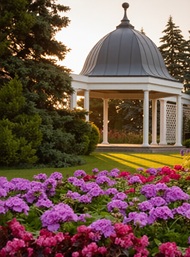
Opened to the public in 1937, the gardens now span over 40 hectares (100 acres) and are open year-round.
One of the largest features is the arboretum. It is home to one of Canada’s finest collections of hardy trees and shrubs. Many of the plants throughout the gardens are labeled, allowing visitors to learn as they explore.
The entire space is designed not just for beauty, but for education, research, and the study of plant life.
One of the highlights of the Botanical Gardens is its internationally recognized rose garden.
With more than 2,400 roses, this area becomes especially stunning in bloom season, filling the air with colour and fragrance. It’s also one of the most popular photo spots along the Niagara Parkway.
The gardens are also home to extensive greenhouse facilities, shared with the Niagara Parks Butterfly Conservatory.
Covering over 1,800 square metres (19,000+ square feet), these greenhouses serve as both a learning environment for students and a controlled space for growing a wide variety of plants used throughout Niagara Parks.
Located right on the grounds, the Butterfly Conservatory offers a completely different kind of experience.
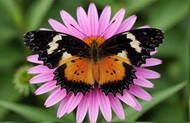
Opened in 1999, it is home to more than 2,000 tropical butterflies from over 60 different species. Inside the glass-domed conservatory, visitors walk along winding paths surrounded by lush vegetation as butterflies move freely throughout the space.
Because butterflies have short lifespans — typically just 2 to 4 weeks — the conservatory brings in thousands of new butterflies each month from sustainable farms around the world.
You’ll also find native species here, including Monarchs, Tiger Swallowtails, Painted Ladies, and Mourning Cloaks.
The Botanical Gardens show a different side of Niagara.
While the falls represent raw natural power, this space reflects careful design, creativity, and ongoing stewardship. It’s where nature is shaped, studied, and maintained, and not just admired.
It also helps explain why Niagara is known for more than waterfalls, but for its landscapes, gardens, and seasonal beauty.
From breathtaking waterfalls to world-class gardens, Niagara offers more than most visitors expect.
Join us on our guided Niagara Falls tour and experience the landscapes, landmarks, and hidden details that bring this region to life.

Best Niagara Falls tour in Canada for 20 years.


