As we travel toward Niagara Falls, it’s easy to think of this area as peaceful and scenic. But in the 1700s, the Niagara River was at the center of conflict, strategy, and survival.
One of the most important uprisings in early Canadian history began here in 1763, known as Pontiac’s Rebellion.
It was led by Pontiac, a war leader of the Ottawa people. (And yes, the same name later used for the car brand.)
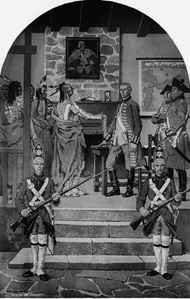
After the British took control of this region from the French, their policies toward Indigenous nations quickly changed.
General Jeffrey Amherst made several decisions that created tension, but one of the most important directly affected travel along the Niagara River.
Back then, the river wasn’t an easy route.
To get past the dangerous rapids, travelers had to stop, unload their canoes, and carry everything over land before continuing, a process known as a portage.
For generations, Indigenous groups, including the Seneca, managed this system. They guided travelers, carried goods, and ensured safe passage. It was skilled, essential work, and they were paid for it.
When the British stopped those payments, it wasn’t just unfair, it disrupted an entire system that the region depended on.
In May 1763, Indigenous nations across the Great Lakes rose up.
They attacked British forts and settlements throughout the region. In total, eight forts were destroyed, and hundreds of colonists were killed or captured. Many others fled for safety.
The uprising spread quickly, and for a time, British control of the region was seriously threatened.
Although the British were not driven out, the rebellion forced them to rethink their approach.
To prevent further conflict, and possible retaliation, the Iroquois Confederacy negotiated with the British.
They agreed to give the British control of land along the Niagara River, from Lake Erie to Lake Ontario, on both sides of the river.
In return, the British promised not to retaliate against Indigenous communities.
The Seneca people continued to live and travel in the region, and over time, relations between the British and the Iroquois improved. That alliance would later play an important role during the War of 1812.
Today, as you look out over the Niagara River, it’s hard to imagine how strategic, and contested, this route once was.
But long before it became a tourist destination, this river was a lifeline… and a flashpoint.
History adds a whole new layer to what you’re seeing. The landscapes around Niagara aren’t just beautiful, they’re filled with stories that shaped Canada.
Explore more of these unexpected moments and see how they connect to the places you’ll experience on your journey to the Falls.

Best Niagara Falls tour in Canada for 20 years.


