Spring can be one of the most interesting times to visit Niagara Falls.
The heavy crowds of summer haven’t quite arrived yet, the river is running strong with fresh water from winter melt, and the parks throughout the city begin slowly filling with colour as flowers return to the gardens.
At the same time, spring in Niagara is a bit unpredictable. Some days feel like early summer, while others still carry a chill in the air. For visitors who come prepared, though, the season can offer a quieter and surprisingly enjoyable way to experience the Falls.
Here’s what to expect if you’re planning a spring trip.

One of the biggest advantages of visiting Niagara Falls in spring is the sheer power of the water.
During the colder months, some of the water from the Niagara River is diverted upstream for hydroelectric power generation, particularly at night and during the off-season. As spring arrives, that diversion becomes less noticeable during the day, and the seasonal snowmelt across the Great Lakes region begins feeding more water into the river. Together, these changes often make the Falls feel especially powerful in spring, with a deeper roar and heavier mist rising from the water below.
Standing near the railing at the Table Rock Welcome Centre, visitors often notice just how intense the mist and sound can be during this time of year.
For many people, it’s one of the most dramatic ways to experience the Falls.
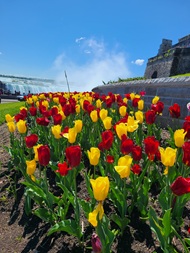
Spring also marks the return of colour to Niagara’s parks and gardens.
Places like Queen Victoria Park and the Niagara Parks Botanical Gardens slowly begin to bloom as the season progresses. Early flowers appear first, followed by tulips, cherry blossoms, and eventually the lush greenery of early summer.
For visitors who enjoy walking through gardens or photographing flowers with the Falls in the background, spring offers some beautiful moments that are easy to miss later in the busy summer season.

Another advantage of spring is the lighter crowds.
While weekends and holiday periods can still be busy, the overall pace of tourism in Niagara Falls tends to be calmer before summer arrives. That means shorter lines at some attractions, easier parking, and a more relaxed atmosphere when exploring the parks along the river.
For many visitors, this slower pace makes it easier to enjoy the scenery without feeling rushed.

The one thing to keep in mind is that spring weather in Niagara Falls can change quickly.
Spring weather in Niagara Falls can still feel a bit like winter at times. March can bring lingering snow, and even in April and May the air near the Falls is often cool because of the mist and the river. Most visitors find that bringing a light jacket, or even a warmer layer earlier in the season, makes exploring much more comfortable. And... as always, wear comfortable footwear.
For travelers who enjoy a slightly quieter atmosphere, spring can be a wonderful time to experience Niagara Falls.
The Falls are powerful, the gardens begin waking up after winter, and the city slowly comes back to life before the busy summer season takes over.
It may not have the full energy of July or August, but for many visitors, that’s exactly what makes a spring trip so appealing.
Spring is a beautiful time to visit Niagara Falls. The river is roaring with the spring melt, the first flowers begin appearing in the parks, and the city hasn’t quite reached the crowds of summer yet. If you’d like to explore beyond the main attractions, our Niagara Falls bus tour visits several scenic stops while sharing some of the stories that make this region so fascinating.

Best Niagara Falls tour in Canada for 20 years.


